Thanks for visiting my website!

Creative Writing: How to Start Your Own Blog or Write a Book
You don’t need a degree in English, a fancy writing routine, or a cabin in the woods to be a writer.
Pam Seino
1/15/20262 min read
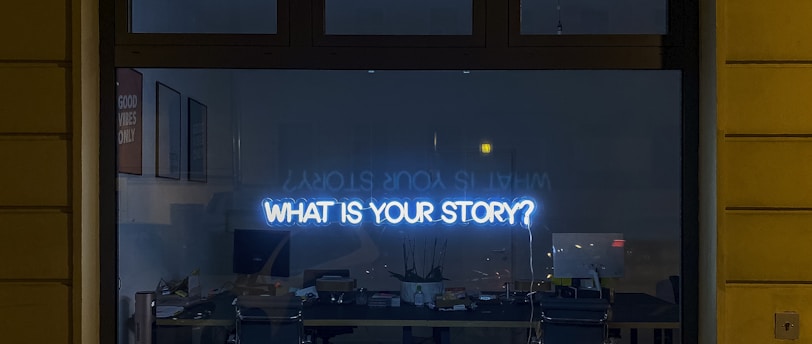
You don’t need a degree in English, a fancy writing routine, or a cabin in the woods to be a writer.
You need something to say—and the courage to start saying it.
Whether you’ve been quietly dreaming about launching a blog or secretly outlining a book in your head for years, creative writing isn’t reserved for the “naturally gifted.” It’s a skill. A practice. And above all, it's a decision.
Let’s break this down into something simple, doable, and a lot less intimidating.
First: Decide What You’re Writing For
Before you worry about platforms, formatting, or publishing, get clear on why you want to write.
Ask yourself:
Do I want to share ideas, experiences, or expertise?
Do I want to help, teach, inspire, or entertain?
Do I want this to be a creative outlet, an income stream, or both?
You don’t need a perfect answer, but you do need a direction.
A blog and a book solve different problems:
A blog is ideal if you want to explore ideas, build an audience, and improve your writing through consistency.
A book is perfect if you have a central message, framework, or story you want to fully develop.
👉 Here’s a light bulb moment for you: Many great books start as blog posts.
Starting a Blog: Keep It Simple (Please)
If blogging feels overwhelming, it’s usually because people overcomplicate it.
You need three things to start:
A topic you can talk about for 50+ posts
A basic platform (WordPress, Squarespace, Substack—pick one)
Permission to be imperfect
That’s it.
Your first blog post does not need to be brilliant. It needs to exist.
What Should You Write About?
Start where your curiosity and experience overlap:
Things people ask you for advice on
Problems you’ve solved (or are solving)
Lessons you’ve learned the hard way
Opinions you’re willing to stand behind
Write like you’re explaining something to one smart friend—not performing for the internet.
Writing a Book: Think Smaller Than You Want To
Most people never write a book because they imagine the entire book before writing the first page.
Instead, try this:
Write one chapter idea
Or one story
Or one problem your book will solve
A book is not written all at once. It’s written in chunks—often badly at first.
A Simple Book Framework
If you’re stuck, use this structure:
The problem (what people are struggling with)
The shift (what changed for you or what you learned)
The solution (your process, lessons, or story)
You don’t need to write in order. You just need momentum.
The Truth About “Writer’s Block”
Writer’s block is rarely about creativity or finding something to write about.
It’s usually about fear:
Fear of sounding stupid
Fear of not being original
Fear of being judged
The cure isn’t inspiration—it’s permission.
Give yourself permission to:
Write badly
Write inconsistently at first
Write without knowing where it’s going
Clarity comes after action, not before.
Create a Writing Habit, Not a Masterpiece
The most successful writers aren’t the most talented—they’re the most consistent.
Try this:
15 minutes a day
One blog post per week
One messy page at a time
You’re not “behind.”
You’re building a skill—and skills compound.
You’re Allowed to Call Yourself a Writer
If you write, you’re a writer.
Not when you publish. Not when you get paid. Not when someone validates you.
Right effin now.
Starting a blog or writing a book isn’t about becoming someone new—it’s about giving your thoughts a place to land.
So open the document.
Hit publish.
Write the sentence.
Trust me: the rest will follow.
If you need a little creative push, check out my Art of Storytelling bundle. Only $14.99 for the e-book, checklist, workbook, guide, and AI prompt pack.